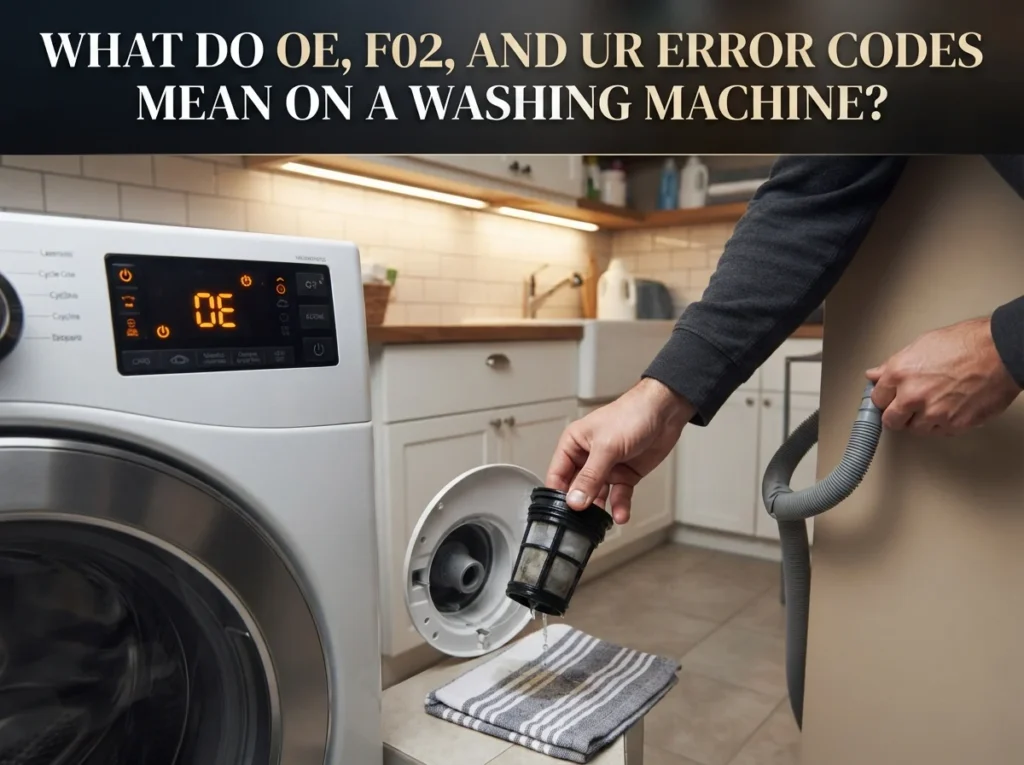

Your dryer starts squealing on a Sunday night. You have a full basket of wet clothes and work in the morning. So you do what most people do: pull up a video, grab a screwdriver, and hope for the best. That is where a lot of repair bills quietly double.
The broken part is rarely the expensive problem. The expensive problem is what happens around it: the rushed fix, the ignored noise, and the call that comes two weeks too late. Below are the five mistakes we see cost homeowners the most and what to do instead. None of this is complicated. It just saves you real money.
- Skip the risky DIY on anything with wiring, water lines, or sealed parts. It can void your warranty and turn a $150 fix into a $700 one.
- Do not ignore new noises, leaks, or burning smells. They get worse, never better.
- Call early. A slow drip today is drywall damage next month.
- Vet the technician before booking, not after the bill arrives.
- Keep up basic maintenance. Most breakdowns we see were preventable.
Mistake 1: Trying the DIY Fix on the Wrong Job
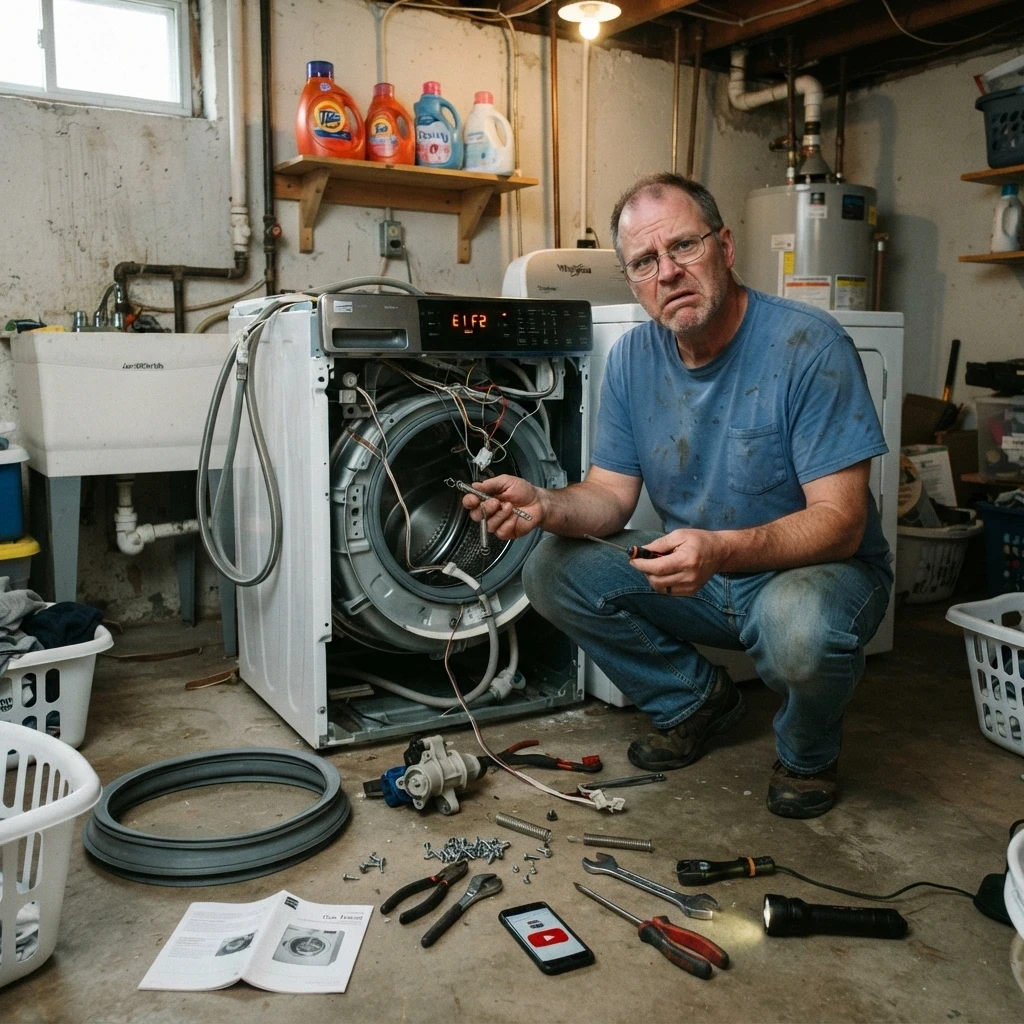
There is nothing wrong with fixing things yourself. Swap a dryer knob, clean a filter, or straighten a kinked hose; go for it. Those are ten-minute jobs, and you keep your cash.
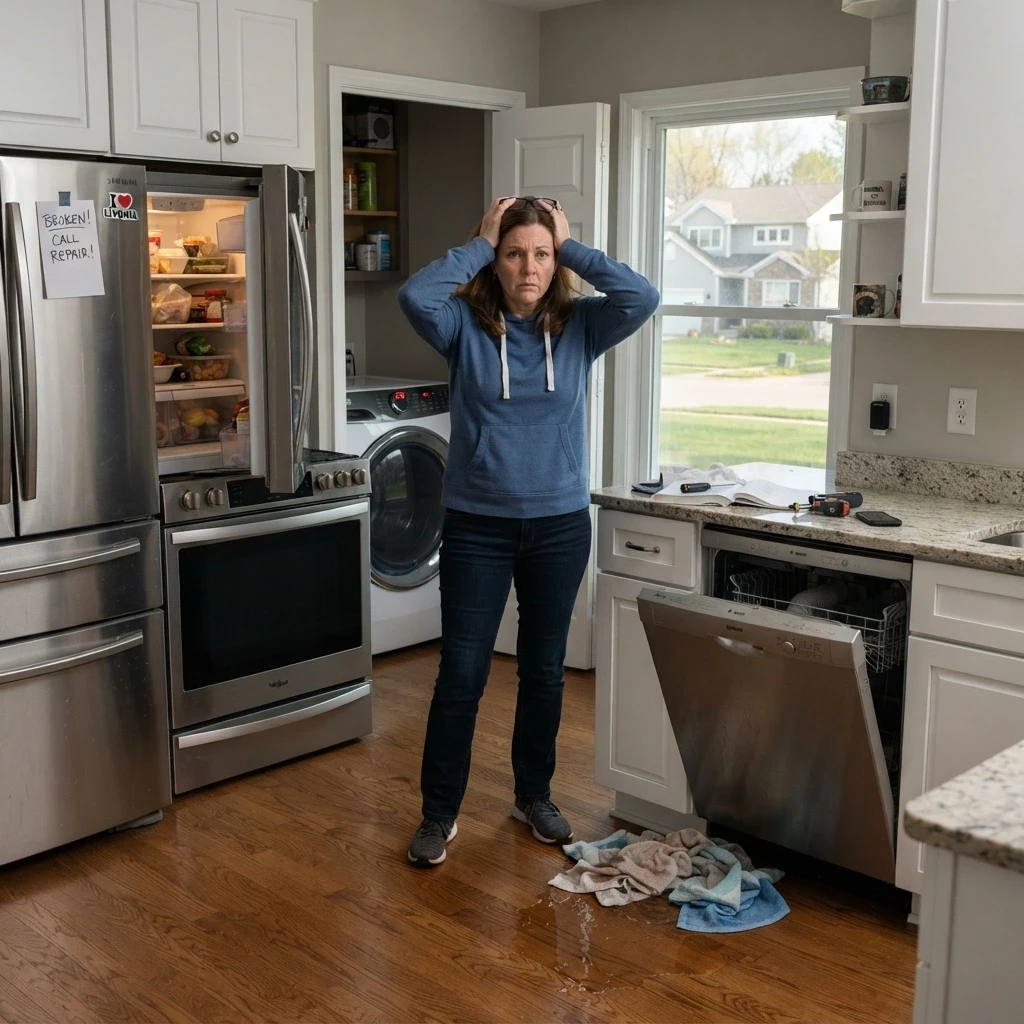
The trouble starts when the repair touches wiring, a sealed refrigerator system, a control board, or a water valve. Open one of those up and two things can happen. First, you void the warranty. Most manufacturers require a licensed pro for internal work, so the moment you crack the panel, that coverage is gone. Second, you can turn a small fault into a big one. A cracked hose is a cheap fix. The sensor you bump while replacing it is not.
Here is a real example of how the math goes sideways. A refrigerator that needs a minor part might run you a couple hundred dollars with a pro. Damage the sealed system doing it yourself and you are looking at $700 to $1,250 for a compressor job, which is often more than the fridge is worth.
So the line is simple. If it plugs in, unclips, or rinses out, try it. If it involves current, refrigerant, or the main board, leave it.
| Fine to DIY | Leave it to a pro |
| Cleaning filters and coils | Motor, belt, or bearing work |
| Clearing a drain hose | Control boards and sensors |
| Leveling a wobbly unit | Water inlet valves |
| Swapping a knob or handle | Anything with wiring or gas |
Mistake 2: Ignoring the Little Warning Signs
Appliances almost always warn you first. The problem is the warnings are easy to talk yourself out of. That new hum? Probably nothing. The tiny puddle? You will wipe it up later.
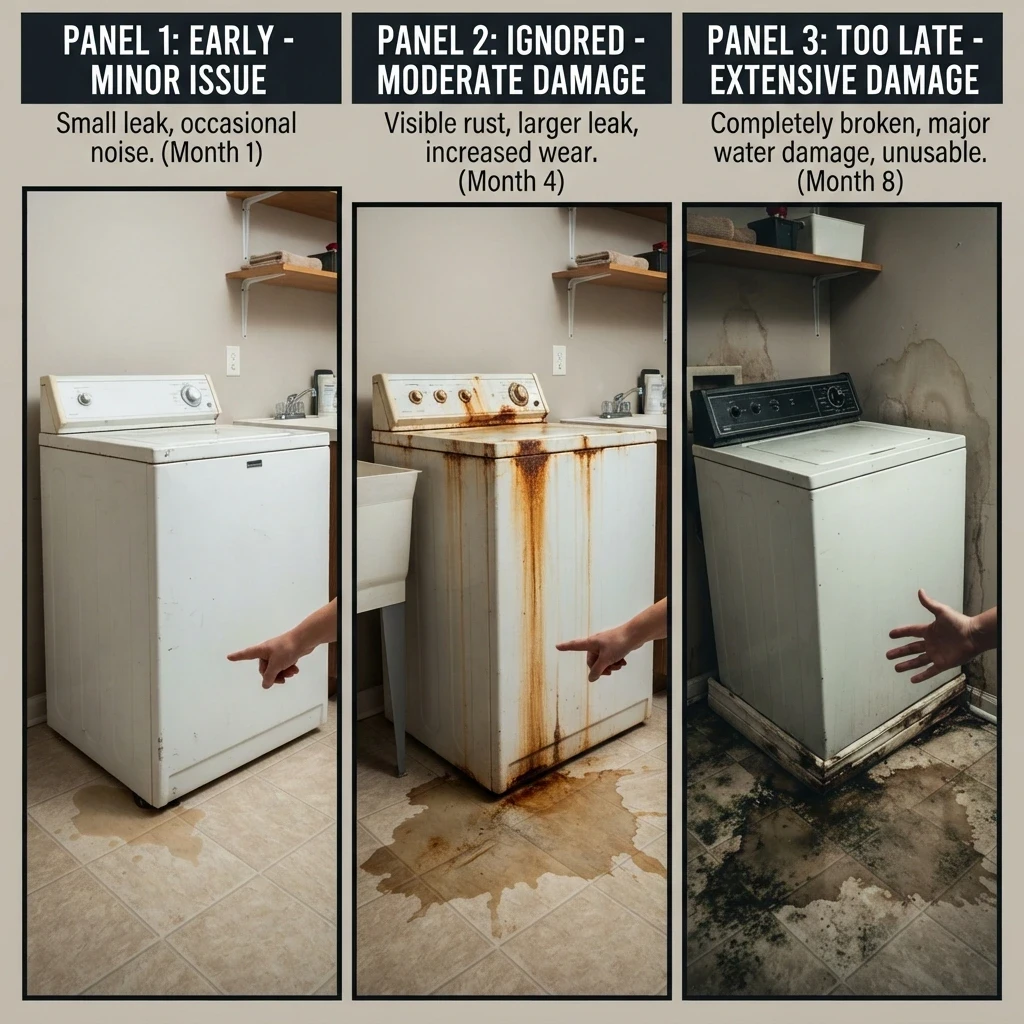
Except the hum is a bearing starting to go, and the puddle is a seal that is about to let go completely. Small signals are the cheapest moment to act. Wait, and the strained motor burns out, or the drip finds its way under your flooring.
Worth a call when you notice:
- A new grinding, buzzing, or banging that was not there before
- Any burning or electrical smell (shut it off and unplug it first)
- Leaks or standing water near the unit
- A fridge that runs warm or a dryer that takes two cycles
- A power cord or outlet that feels hot
- An energy bill that jumped for no clear reason
Mistake 3: Waiting It Out
This one is close cousin to the last, but it deserves its own spot because it is so common. You already know something is wrong. You just keep using the appliance and hope it holds.
It rarely holds. A washer that struggles to drain keeps stressing the pump until it quits for good. A fridge low on cooling runs its compressor into the ground. And water damage is the quiet budget killer here, because it does not stop at the appliance. It reaches cabinets, subfloor, and drywall, and now you have two repairs instead of one.
Booking service the week you notice a problem almost always costs less than booking it the week the appliance dies.
Mistake 4: Hiring Whoever Shows Up First
When something breaks, the temptation is to grab the first result and get it over with. Sometimes that works out. Often it does not, especially when the price looks suspiciously cheap.
An undertrained tech tends to chase the symptom instead of the cause, so the same problem is back within a month. Vague pricing leaves room for surprise line items. And unlicensed work can void your warranty just like a botched DIY job would.
Five quick things to check before you book:
- Licensed and insured. This protects your home if something goes wrong mid-repair.
- Warranty on the work. Good shops back parts and labor for 30 to 90 days at least.
- A clear diagnostic fee. Expect somewhere around $70 to $150 to come out and diagnose, and ask whether it applies to the repair if you go ahead.
- Real reviews. Look for comments on fair pricing and problems that stayed fixed.
- Experience with your brand. A tech who knows your specific make will diagnose faster.
One more tip: be a little wary of “free diagnostics.” Some shops make that back by padding the labor. Compare two or three quotes and you will spot the outlier fast.
Mistake 5: Skipping the Boring Maintenance
Most of the breakdowns that land on a service call were preventable. Nobody enjoys cleaning a lint vent or vacuuming fridge coils, so it slides, and the appliance pays for it later. Clogged filters, dusty coils, and brittle hoses all push the motor, pump, and belt to work harder than they should.
A few minutes a month buys years of service. Here is the short list that matters most.
| Appliance | What to do | How often |
| Refrigerator | Vacuum the condenser coils, check the door seal | Twice a year |
| Washer | Clean the pump filter, eyeball the hoses | Monthly |
| Dishwasher | Rinse the filter, run a vinegar cycle | Monthly |
| Dryer | Clear the lint trap and vent | Every load, vent yearly |
| Oven | Wipe spills, check the door gasket | As needed |
One More That Trips People Up: Guessing the Part
Plenty of folks watch a video, decide it is “probably the pump,” order the part, install it, and the problem is still there. Now they are out the part cost and still need a tech. Modern appliances throw error codes and have components you can actually test. A proper diagnosis reads those before anything gets replaced, which is the whole point of paying for one.
Repair or Replace? The Simple Rule
When you do get a quote, one number tells you most of what you need: half the price of a new unit. If the repair costs less than that, fixing is usually the smart call. If it costs more, or the appliance is already past its expected years, replacement makes more sense.
| Your situation | Usually the better move |
| Repair is under half the price of new | Repair |
| Appliance is still within its normal lifespan | Lean repair |
| Old unit with a major part failing | Replace |
| Repair is over half the price of new | Replace |
For reference, fridges tend to last 10 to 15 years, washers and dishwashers 8 to 12, and dryers 10 to 13. A trustworthy tech will tell you honestly which side of the line you are on, even when it means no sale for them.
What This Usually Costs
Rough numbers help you know a fair quote from a padded one. Nationally, the average appliance repair lands around $171, though most jobs fall somewhere between $100 and $400 depending on the part and the brand. Labor runs roughly $50 to $175 an hour. High-end and imported models cost more, mostly because their parts do. Ask upfront what the diagnostic fee covers and whether it rolls into the repair, and you will avoid almost every billing surprise.
Frequently Asked Questions
Does a DIY repair really void my warranty?
Often, yes. Most manufacturer warranties require a licensed pro for internal repairs, so opening up the machine can end your coverage. Cleaning a filter is fine. Replacing a control board is not. Check your terms first.
Is it cheaper to repair or replace?
Run the half-price rule. If the repair is under half the cost of a new unit, repair usually wins. Then weigh the age and how often it has broken before.
How do I find a repair company I can trust?
Look for licensed, insured, well-reviewed shops that warranty their work and quote clearly. Ask if they know your brand, and get a couple of quotes so you can compare.
What are the warning signs I should not ignore?
New grinding or buzzing, burning smells, leaks, weak heating or cooling, a hot cord, and a sudden jump in your energy bill all mean it is time for a look.
How fast should I call after I notice a problem?
Soon. The cost gap between a small early fix and a full breakdown is big, and water damage only grows while you wait.
Should I pay a diagnostic fee?
Usually worth it. A real diagnosis stops you from buying the wrong part, and many shops credit the fee toward the repair if you move forward.
Final Thoughts
Break an appliance and you are not really deciding whether to spend money. You are deciding how much. Rush the fix, ignore the noise, or hire the wrong person, and the number climbs. Handle it early and smart, and it stays small. When a job goes past the easy stuff, a certified technician in Livonia, MI, can sort it out right the first time.