

A slow-filling washing machine almost always points to one of five simple causes, and you can usually find the right one in under ten minutes. Maybe your wash cycle now takes twice as long to start. Maybe water trickles in instead of flowing at full speed. Either way, the fix is usually something you can do yourself, with basic tools and no new parts.
A slow-filling washing machine is usually caused by clogged inlet screens, a partly closed water valve, or a weak water inlet valve. Clean the mesh screens where the hoses connect to your washer first. This single step solves most slow fill problems in under fifteen minutes, using only pliers and a toothbrush.
Symptoms of a Slow-Filling Washing Machine
You can spot the signs before you even open the back panel. Water trickles in instead of flowing steadily. The machine hums or buzzes during the fill stage. One side, hot or cold, fills fine while the other lags behind. Some cycles pause or time out before they finish filling. Wash times stretch far past what they used to be. Each sign points toward a specific cause, and the next sections walk through them one by one.
How Long Should a Washing Machine Take to Fill?
Knowing the normal range helps you confirm there is an actual issue before you start troubleshooting.
| Machine Type | Normal Fill Time |
| Traditional top load washer | 1 to 3 minutes |
| High efficiency top load washer | 3 to 5 minutes |
| Front load washer | 4 to 8 minutes |
Any fill time longer than 10 minutes usually signals a restriction somewhere between the wall valve and the tub. That restriction is what the rest of this guide helps you find.
What Causes a Washing Machine to Fill Slowly?
Seven causes account for almost every slow fill case. Start with the first one, since it solves the majority of cases on its own.

Clogged Water Inlet Screens
Small mesh screens sit inside the water inlet ports on the back of your washer. Sediment, sand, and mineral deposits from hard water collect on these screens over time. Once enough debris builds up, water flow slows to a trickle. This is the single most common cause of a slow-filling washing machine, and cleaning the screens usually restores full flow right away.
Partially Closed Water Supply Valves
The hot and cold valves on the wall behind your washer need to be fully open. A valve left even slightly closed after a repair or a move can cut water flow dramatically. Some homes also use a self tapping saddle valve, which restricts flow badly if it was installed incorrectly. Checking both valves takes seconds and costs nothing.
Kinked or Crushed Inlet Hoses
Hoses that get pinched behind the machine reduce water flow the same way a folded garden hose does. Pushing the washer too close to the wall is the usual cause. Pulling the unit forward and checking the hose length solves this quickly. Braided stainless steel hoses resist kinking better than standard rubber ones.
Low Household Water Pressure
Washing machines need steady pressure, typically between 20 and 100 PSI, to fill at a normal pace. Pressure below that range slows the fill regardless of how clean your screens or valves are. A simple pressure gauge attached to a nearby faucet confirms whether this is the source.
A Weak or Failing Water Inlet Valve
The water inlet valve uses electric solenoids to open and close the hot and cold supply lines. When a solenoid weakens, the valve opens only partway, and water enters slowly even with full pressure at the wall. A multimeter can test the solenoid for continuity, and a reading outside the normal range points to a valve that needs replacing.
A Pressure Switch or Water Level Sensor Issue
The pressure switch, sometimes called the compression chamber sensor, reads air pressure through a small tube connected to the tub. As water rises, it compresses air in that tube and signals the switch to stop the fill. A cracked tube or a switch that reads pressure incorrectly can affect how the machine fills and when it stops. A related part, the lid switch assembly, should also be checked if the tub does not spin properly after filling. For a stubborn fill fault that needs professional testing, our washing machine repair team can diagnose it quickly.
Drain Hose Siphoning
If the drain hose sits too deep inside the standpipe, water can siphon out almost as fast as it fills in. Manufacturers generally recommend keeping the drain hose inserted no more than a few inches into a standpipe that stands at least 30 inches above the floor. This cause is easy to miss because it looks like a slow fill rather than a drainage issue.
Quick Diagnostic Table: Match Your Symptom to the Cause
Use this table to jump straight to the most likely cause based on what you are seeing.
| What You Notice | Likely Cause |
| Trickle from both hot and cold | Clogged inlet screens or low water pressure |
| Only one side is slow | Single clogged screen or one weak solenoid |
| Buzzing or humming during fill | Water inlet valve solenoid |
| Fills slowly even when off | The valve is not sealing; it needs replacement |
| Water enters then drains out | Drain hose siphoning |
Hot Water or Cold Water Filling Slowly? What That Tells You
Testing hot and cold separately narrows the cause fast. Run a hot only cycle and time it, then repeat with a cold only cycle. If both sides fill at the same slow rate, the cause usually sits upstream, either low household pressure or a screen shared by both lines. If only one side lags, focus on that specific hose, screen, and valve solenoid. Hot water sediment from a water heater tends to clog screens faster than cold water does, so flushing your water heater once a year keeps that side clear.
Easy Fixes for a Slow-Filling Washing Machine: Step by Step
Work through these five fixes in order. Most homeowners solve the issue within the first two steps.
Fix 1: Clean the Inlet Screens
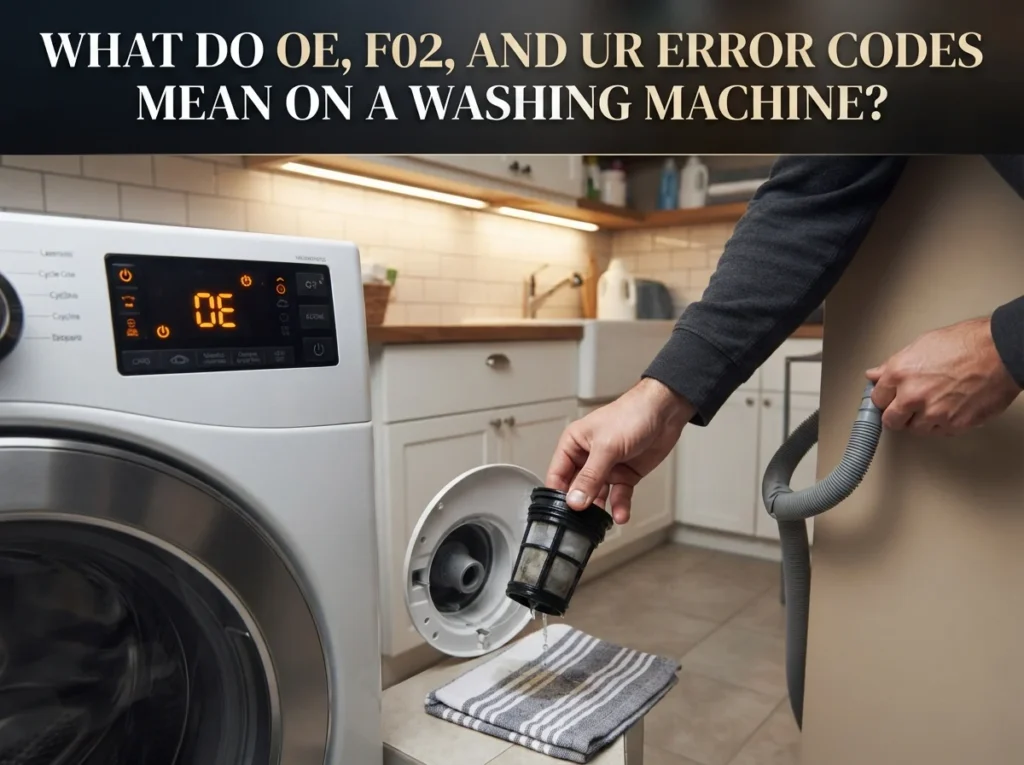
Turn off both water valves and unplug the washer. Disconnect the hoses and remove the small screens with needle nose pliers. Soak them in white vinegar for 30 minutes, scrub gently with a toothbrush, then rinse and reinstall.
Fix 2: Fully Open the Water Supply Valves
Turn both wall valves counterclockwise until they stop. Lever style valves should sit parallel to the pipe when fully open. This step alone resolves cases where a valve was left partly closed.
Fix 3: Inspect and Straighten the Inlet Hoses
Pull the washer away from the wall and check both hoses along their full length. Replace any hose that shows kinking, cracking, or a crushed section. Leave a few inches of clearance when you push the machine back.
Fix 4: Test Your Home’s Water Pressure
Screw a pressure gauge onto a nearby spigot or laundry faucet and check the reading. A result under 20 PSI means the pressure issue sits in your home’s plumbing rather than the washer itself.
Fix 5: Test or Replace the Water Inlet Valve
If the earlier fixes do not restore normal flow, test the valve solenoids with a multimeter. No continuity means the valve needs replacing. Replacement valves typically cost between 15 and 90 dollars depending on the brand and model.
DIY vs Professional Repair: What Will It Cost?
Most slow fill fixes cost nothing beyond a bit of time.
| Fix | Typical Cost |
| Cleaning inlet screens | Free |
| Replacement screens | Under 5 dollars |
| Replacement inlet valve (parts only) | 15 to 90 dollars |
| Professional repair, parts and labor | 80 to 150 dollars |
DIY screen cleaning and valve checks handle the majority of cases. A professional visit becomes worthwhile once the pressure switch, control board, or internal wiring are involved, since those repairs call for more specialized testing.
Brand Specific Notes: LG, Samsung, Whirlpool and Kenmore
Certain brands show specific signs worth knowing. LG washers display an IE error code when the fill system detects a restriction, which points directly to the inlet valve or screens. Samsung machines often show a 4E error code under the same conditions, and many Samsung models use a single combined valve assembly rather than separate hot and cold units. Whirlpool and Kenmore washers share many parts, and their inlet valves sit in an easily accessible spot on the rear panel, which makes DIY replacement straightforward on most models.
How to Prevent Slow Fill Problems
A few habits keep your washer filling at full speed for years. Clean the inlet screens once a year, even if fill speed still seems normal. Replace rubber inlet hoses every five years, or upgrade to braided stainless steel versions that resist kinking. Flush your water heater annually to clear sediment before it reaches the washer screens. Leave a few inches of space behind the machine so hoses never bend sharply against the wall.
When to Call a Professional
Contact a technician if the fill time stays slow after you have cleaned the screens, checked the valves, and confirmed good water pressure. A washer that keeps filling slowly while turned off needs immediate attention, since that points to a valve that is not sealing and can lead to an overflow. Persistent fill issues tied to the pressure switch or control board also call for professional testing equipment. Homeowners across Livonia and nearby areas can book a certified visit through our appliance repair services.
Frequently Asked Questions
How long should it take for a washing machine to fill with water?
Most washers fill within 1 to 8 minutes depending on the type and water level selected. A fill time past 10 minutes usually means a restriction somewhere in the supply line.
Why does my washer fill slowly on hot water but not cold?
This points to a hot side issue specifically, such as a partly closed hot valve, a clogged hot inlet screen, or sediment carried over from a water heater.
Is it safe to keep using a washer that fills slowly?
It can still run, but longer cycles put extra strain on the motor and pump over time. Address the cause once you notice a consistent slowdown.
Do I need a new water inlet valve if the washer fills slowly?
Not always. Many cases trace back to clogged screens or closed valves first. Test the inlet valve only after those simpler checks come back clear.
Should I clean or replace the inlet screen?
Clean the screen first with a vinegar soak and a soft brush. Replace it only if it is torn, corroded, or still restricts flow after cleaning.
Why is my washing machine slowly filling with water when not in use?
This means the water inlet valve is not sealing fully and needs replacement soon. Shut off both supply valves until the new valve is installed to prevent an overflow.
Final Thoughts
A slow-filling washing machine almost never needs a full repair call. Clean screens, open valves, and a quick pressure check solve most cases within an afternoon. Work through the steps in order, and you will likely have your washer back to a normal fill speed before you need to think about calling in help. If you would rather have a licensed technician handle it, contact us for same day or next-day service in Livonia, MI.